

February 27, 2026
When filing a workers’ compensation or disability claim, one of the most important factors in the outcome of your case is medical evidence. While many individuals assume that reporting an injury or submitting an application is enough, insurance companies and judges rely heavily on documented medical proof to determine eligibility and benefits. Strong medical evidence connects your injury or medical condition directly to your inability to work, and it substantiates the severity and duration of your limitations. Understanding the role medical documentation plays can make a significant difference in protecting your rights and securing the benefits you deserve.
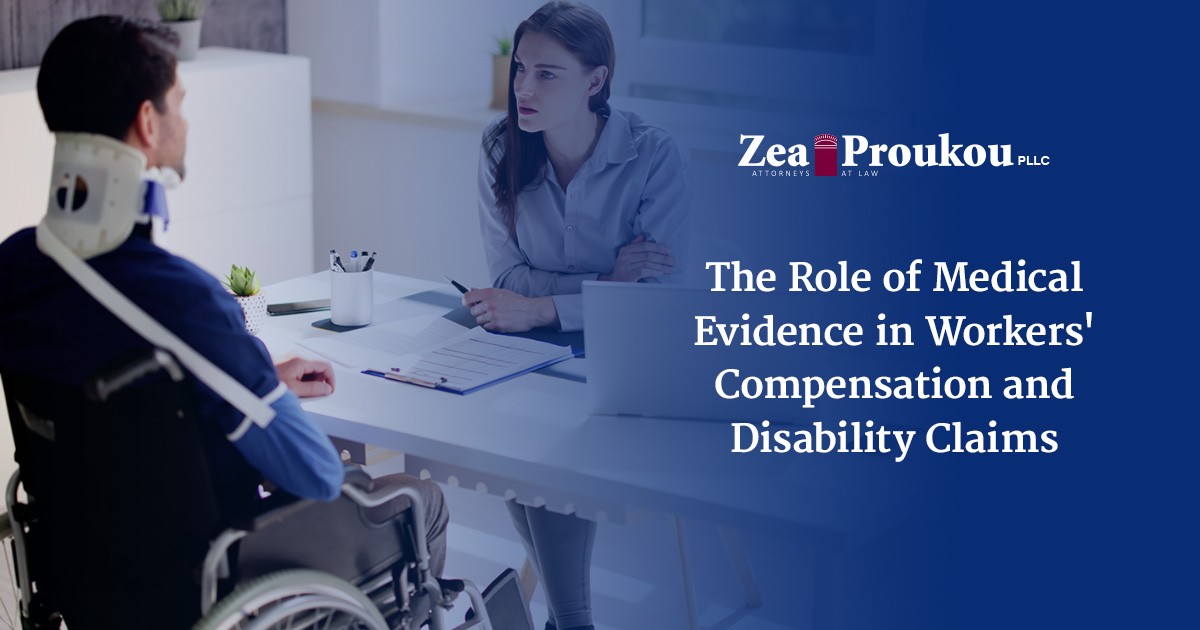
How Medical Documentation Supports Your Claim
Medical evidence serves as the foundation of both workers’ compensation and disability cases. It establishes that an injury occurred, details the diagnosis, outlines treatment plans, and explains how the condition impacts your ability to perform job duties or daily activities. Insurance carriers carefully review medical records to look for consistency, objective findings, and professional opinions from treating providers.
Gaps in treatment, incomplete documentation, or unclear physician statements can weaken a claim. On the other hand, thorough, well-documented records provide a clear picture of your condition and its impact. This may include physician notes, diagnostic test results, imaging reports, treatment histories, functional capacity evaluations, and written opinions regarding work restrictions.
Key Types of Medical Evidence That Strengthen Your Case:
- Detailed physician reports outlining diagnosis and treatment plans.
- Objective diagnostic testing such as MRIs, X-rays, or lab results.
- Consistent treatment records showing ongoing care and follow-up.
- Clear documentation of work restrictions or functional limitations.
- Physical therapy and rehabilitation progress notes.
- Written medical opinions connecting the injury or illness to work-related duties.
The Importance of Clear Communication with NYS Medical Providers
One of the most overlooked aspects of medical evidence is communication. It is important that your healthcare providers fully understand how your injury or medical condition affects your ability to work. If limitations are not clearly stated in the medical record, decision-makers may assume you are capable of returning to work without restrictions. Keeping consistent appointments, following treatment recommendations, and discussing changes in symptoms all help create a comprehensive record. In workers’ compensation and disability cases, medical evidence must not only confirm a condition but also demonstrate how it prevents you from performing essential job functions.
Protect Your Claim with Strong Medical Evidence
If you are pursuing a workers’ compensation or disability claim, do not underestimate the importance of thorough medical documentation. Zea Proukou is committed to helping you navigate the complexities of the claims process and ensuring that your case is supported by the documentation needed for success.
If you have questions about your claim or need guidance on strengthening your medical evidence, reach out today for professional and compassionate support. We provide services to the greater Rochester area as well as the Finger Lakes region. We can be reached at our Rochester, NY office at 585-423-9444, our Canandaigua, NY office at 315-853-9444, or by email through our secure form.